
Are you planning your upcoming Travel to Japan? While vibrant cities like Tokyo and historic Kyoto are must-sees, venturing off the beaten path to northern Japan offers a truly deep and unforgettable Local Japanese Experience.
What is "Sashiko"?
Sashiko is a traditional Japanese embroidery technique where geometric patterns are stitched into fabric. Originally,
it was a highly practical skill used to reinforce cloth and increase its warmth.
"Shonai Sashiko" is renowned as one of Japan's "Three Great Sashiko" styles, famous for its dense, intricate, and highly artistic patterns.日本三大刺し子の一つに数えられ、その緻密さと芸術性の高さで知られています。
The Story Behind Shonai Sashiko: Born in the Snow Country
The roots of Shonai Sashiko lie in the harsh natural environment and the deep love of mothers for their families.
Centuries ago, the Shonai region experienced brutally cold and deeply snowy winters. During the Edo period, warm "cotton" was a luxury item, far too expensive for ordinary people in northern Japan. Farmers had no choice but to wear clothing made of thin, highly breathable hemp, which offered little protection against the freezing cold.
To survive, local women acquired precious cotton threads and began layering thin sheets of hemp cloth, stitching them together tightly, stitch by stitch. This technique not only made the garments incredibly durable but also trapped air between the layers, dramatically increasing their insulation. After a long day of exhausting farm work, women would sit by the dim light of the hearth (Irori) late into the night, rubbing their freezing hands, sewing to keep their husbands and children warm.
Shonai Sashiko is not just a sewing technique; it is the crystallization of unconditional love and a means of survival.
Why is it Still Loved Worldwide Today? (History and "Beauty of Utility")
What started out of pure necessity evolved into a form of high art—known in Japan as Yo-no-Bi (the beauty of utility). This evolution is exactly why it continues to fascinate people globally.
1. Patterns Filled with Prayers and Meanings
The most striking feature of Shonai Sashiko is its sophisticated, modern-looking geometric patterns. However, these are not just random designs; every stitch holds a specific prayer or wish from the people living in harmony with harsh nature. Here are some of the most iconic patterns:
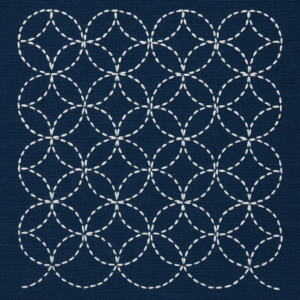
Komezashi (Rice Stitch) The Shonai region, where our guest house is located, is one of Japan's most famous rice-producing areas. This continuous cross-shaped pattern mimics grains of rice, representing a deep prayer for a "bountiful harvest."

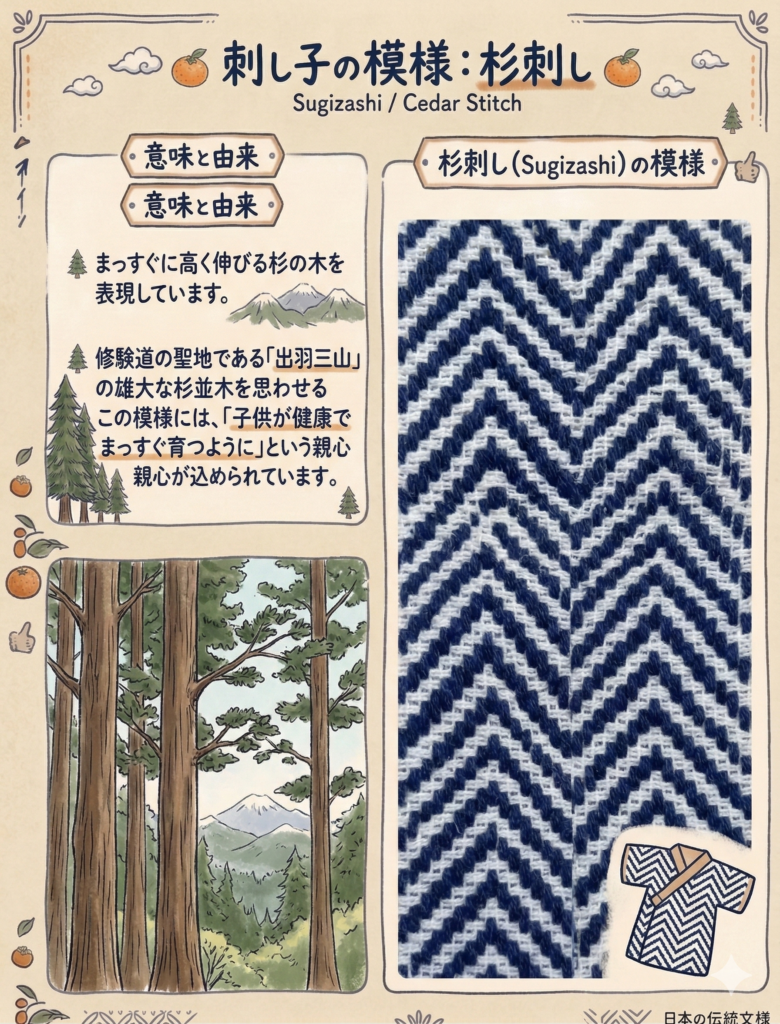
Sugizashi (Cedar Stitch) This pattern depicts cedar trees growing tall and straight, much like the majestic, sacred cedars of Dewa Sanzan. It carries a parent's loving wish for their children to "grow up healthy, strong, and straightforward."
Kakinohana (Persimmon Flower) Because persimmon flowers rarely drop to the ground before bearing fruit, this pattern symbolizes a "good harvest" and "good fortune" (as things "do not fall"). It has been a beloved motif for centuries.
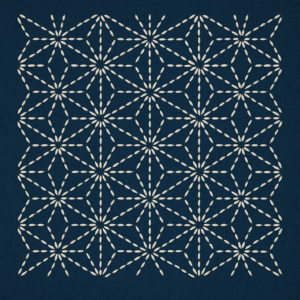
Asanoha (Hemp Leaf) A classic Japanese pattern representing hemp leaves, which grow rapidly and strongly. It was believed to act as a "charm against evil." Mothers often stitched this pattern onto babies' clothes to pray for their healthy and safe growth.
What started out of the pure necessity to survive the freezing winters eventually evolved into these incredibly beautiful designs. In Japan, we call this concept "Yo-no-Bi" (The Beauty of Utility)—the idea that true beauty is found in practical, everyday objects crafted by ordinary people. This profound philosophy is exactly why Sashiko continues to fascinate European fashion brands and interior designers today.
2. The Ultimate Sustainable "Mottainai" Spirit
Instead of throwing away worn-out clothes, they were patched, stitched, and passed down through generations. This embodies the Japanese philosophy of Mottainai (waste nothing). In our modern era, where environmental consciousness is vital, Sashiko resonates deeply as the ultimate, beautiful form of sustainability and upcycling.
Where to Experience Sashiko and History in Tsuruoka
When you stay with us, we highly recommend diving into the local culture by visiting these spots:
Chido Museum: Located close to our guest house, this museum houses incredible collections of historical Shonai Sashiko garments. You can deeply understand the aesthetic sense and the resilient lifestyle of the snow country women.
Permanent Exhibition at Chidō Museum
Dewa Sanzan (The Three Mountains of Dewa): Tsuruoka is home to Dewa Sanzan, a sacred site for mountain asceticism (Shugendo) recognized by the Michelin Green Guide. Walking among the giant cedar trees to the Five-Story Pagoda of Mt. Haguro is a truly mindful and spiritual experience.
Shonai Sashiko (Haguro Summit Shop)

Why Stay at Guest House Watausagi?
If you are looking for an authentic Guest House Japan experience, Watausagi is the perfect choice! Experience the warmth of a real Japanese home, where we can share more stories about Tsuruoka's deep history and culture. We speak English and love sharing hidden gems and local gastronomy that you won't find in standard guidebooks.
Step away from the crowds and discover the intricate beauty and deep history of real Japan. We can't wait to welcome you to Guest House Watausagi!
That’s all for today’s post.
Likes and follows make me happy ❤️
📖 やまがたいいとこ の関連記事
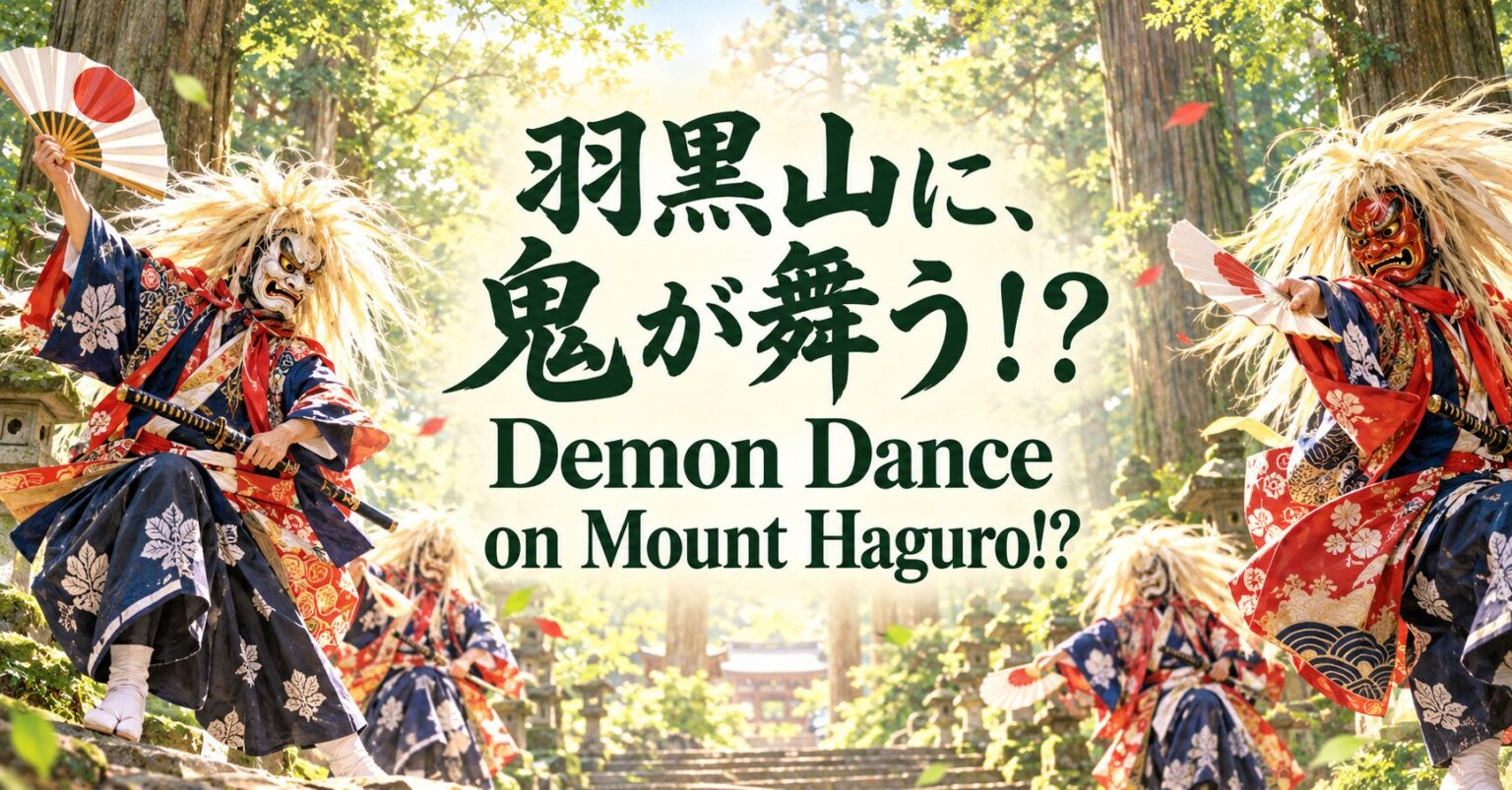
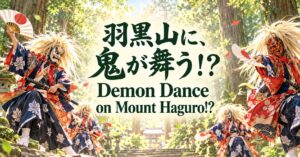 Demons Dancing on Mount Haguro!?
 Why a dragon god at a Buddhist temple? The mystery of Zenpoji (Tsuruoka) and its sea-guarding dragon faith
 Michelin-Starred Sakata: A Two-Star Tour Built on the Wealth of the Kitamae Ships
- STAY WITH US -
Your Base for Exploring Tsuruoka
A small guesthouse in central Tsuruoka, Yamagata. The perfect base for your trip to Dewa Sanzan and Shonai.
Book Now →